Walter Scott’s 1820 novel, The Abbot, has fared rather better with critics than with the reading public. I am one amateur critic who also likes it, although I would not […]
Read more
Walter Scott’s 1820 novel, The Abbot, has fared rather better with critics than with the reading public. I am one amateur critic who also likes it, although I would not […]
Read more
Gurdjieff taught that techniques such as fasting, confession and prayer were not only valuable but essential for any seeker. Gurdjieff gave few indications about prayer, but he knew of and […]
Read more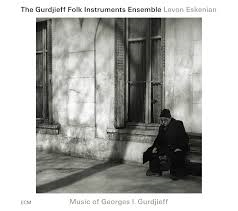
Music of Georges I. Gurdjieff, a recording of a selection from Gurdjieff’s music, is played by the Gurdjieff Folk Instruments Ensemble, directed by Levon Eskenian. Issued in 2011 by ECM, […]
Read more
Music can communicate a feeling of the sublime. I call the “sublime” that precious, subtle feeling of myself as if on the cusp of touching the mystery of eternity. It […]
Read more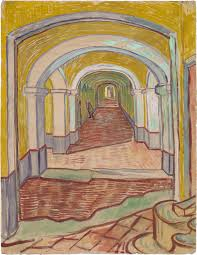
This comes from the weekend of Saturday 5 April 1986. Someone asked a question at lunch. This person had previously been doing some sort of meditative practice. I am fairly […]
Read moreThe Fourth Ode of Solomon is enigmatic, and has been studied more than most of the others. I will not go into the history of the study of this Ode, […]
Read more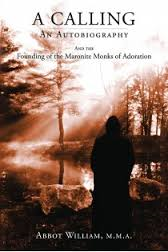
We are still in chapter 6 of Abbot William’s autobiography. It is 1951, and he is a Trappist monk in the USA. We have been speaking of the wisdom inherent […]
Read more
René Zuber, Who Are You Monsieur Gurdjieff?, Routledge & Kegan Paul, London, 1980 It might be appropriate, on the 13th, to review a somewhat under-appreciated volume by a personal pupil. […]
Read more
Enchanting Modern: Ilonka Karasz (1896-1981), Ashley Callahan, Georgia Museum of Art, 2003) The only disappointing feature of this beautiful book is that Ilonka Karasz’s status as a personal pupil of […]
Read moreThis is the transcript of Mr Adie’s morning address on Saturday 5 April 1986, at the start of a work weekend. I also include the first question. The idiot whom […]
Read more